
Ten commandments for police
By Tariq Khosa
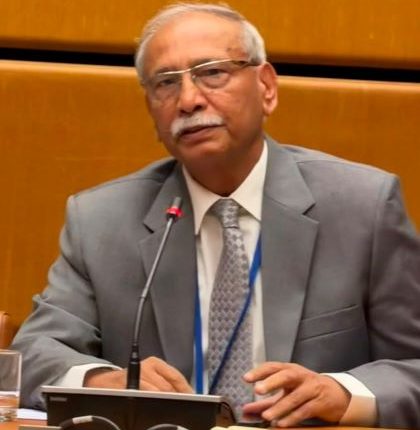
Here are the 10 commandments for the police that I wrote in July 2021:
1. You will not seek or accept any monetary or material benefits from those under your
command in exchange for extending them favours. Only the meanest indulge in
picking the pockets of their juniors.
2. You will not rob Peter to pay Paul. Those who take monetary and material benefits,
either in cash or kind, from the public — victims, suspects or accused — for
themselves or for their seniors, are the worst offenders.
3. Resist temptations. People will offer you money, booze, pleasure trips abroad, plots,
houses and other material comforts in order to curry favour. Stand your ground and
do not fall for a life of ease and sleaze.
4. Speak truth to power. Stand up to bullies as they are mostly cowards. Show courage.
Say no to illegal demands. Do not bother about temporary setbacks like transfers.
Hold your head high; serve with dignity, self-respect and honour.
5. Stay away from politicians in power, industrialists, rich businessmen or their agents.
Never visit their houses; politely refuse to participate in their social gatherings and
parties. They will suck you into their orbit of influence and make you vulnerable.
Those who you avoid will respect you and you will be perceived as a genuine, strong
officer. Police officers are known by the company they keep away from.
6. Never tell a lie. Let the truth be your saviour. In our personal and professional lives,
we are often tested. If you work hard, you will make mistakes in good faith. Always
admit your mistake. Never mislead your seniors and juniors. Your job entails making
many decisions daily. Stand by your word. Principles are more important than
expediency. Never lose your temper. Chide your under command in private; praise
them publicly. Give credit to those who deserve it. Policing is all about teamwork. Do
not vie for medals and honours. Boost the morale of those who work with you. They
are your strength. They will write your real annual confidential report which cannot
be expunged.
7. Ensure that all investigations are carried out without fear or favour. No one, not
even the Supreme Court, can interfere with the investigative function of the police.
Investigations make or break police credibility and trust. Never be tempted to arrest
first and investigate later. The power to curtail the liberty of a citizen and how you
exercise it will build or tarnish your reputation. Your reputation travels faster than
light. You are an instrument of justice and if you are fair, impartial and professional,
people will respect you. You will earn the goodwill of the public. Never compromise
on the integrity of the investigative process and its outcome. The nib of your pen
should take dictation from your conscience that is clear and untainted. But please
understand that you are neither a judge nor an executioner. Quality of investigations
should be the focus. Never lose sight of the due process of law. Supervising
investigations is the most challenging aspect of your profession and an opportunity
to make a difference.
8. Never post, transfer, promote or punish your under command on caste, clan, sect or
ethnic considerations. Merit and fair play are the hallmarks of a true commander.
Patronage and kinship always stand exposed. You will lose respect if your personal
preferences trump merit. Command based on instilling awe and fear is hollow. Your
traits are daily talked about by the junior ranks around the dinner table in district
police lines. You must be a role model. Be a genuine commander known for
empathy, courage and equanimity.
9. Write a diary or maintain a journal. Keep a record of all meetings with seniors and
government functionaries. These will come in handy in matters of a politically
sensitive nature. Keep notes of important cases and meetings. Write the names and
references that crop up in interrogation reports of suspects. Experienced police
officers in the past kept immaculate personal and professional records that helped
them solve difficult cases. These days, police officers avoid writing extensively on
professional matters. This is a major weakness. You should keep a monthly or yearly
notebook with details about important events and encounters with people in power.
Such notes also prove useful in judicial probes or inquiries.
10. Policing is the most challenging public service, full of hazards. It is a tightrope walk
day in and day out. It is all about leadership. You are constantly under public
scrutiny. You are required to take difficult decisions. Policing is not a popularity
contest. You are a public servant but not a servile courtier of anyone in authority.
You should never seek office through extraneous influences. Lower your voice when
you are angry at someone’s outlandish behaviour. Avoid arguments. Be a patient
listener. In short, you are what you think and do.
What has been said comes from experience and heartfelt sentiments of an elder
member of the police family who has played his innings on a slippery wicket. We all
make mistakes but must learn from them to improve our personal and professional
conduct. Police officers should have the courage to rectify their shortcomings.
“Success,” said American coach John Wooden, “is never final, failure is never fatal.
It’s courage that counts.”
The writer is a former inspector-general of police.